Español
 Português PT


- Out-of-Stock

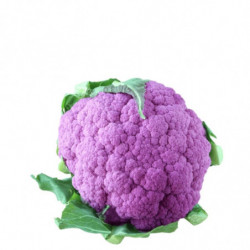
Purple cauliflower is a cruciferous vegetable characterized by its purple or violet florets, giving it a very striking and original appearance. Its taste is similar to that of white cauliflower but contains more antioxidants due to the anthocyanins that give it its color.
 Security policy
Website built using newest versions, SSL protocols, Secure payments
 Delivery policy
Receive your order in 24-48h
 Return policy
100% Satisfaction guarantee

Guarantee safe & secure checkout
Purple cauliflower is a cruciferous vegetable, like broccoli, white cauliflower, or cabbage. It is characterized by its purple or violet inflorescences, thanks to the presence of anthocyanins, pigments with antioxidant properties. Originating from Europe, it has been cultivated for centuries due to its nutritional and medicinal value. There are different types of purple cauliflower depending on their shape and size, such as Sicilian purple cauliflower, Macerata purple cauliflower, or Graffiti purple cauliflower. Purple cauliflower is a very healthy food, as it contains a large amount of vitamins, minerals, fiber, and antioxidants that can prevent and fight various diseases.
Purple cauliflower contains glucosinolates, compounds that, when metabolized in the body, inhibit the growth of cancer cells and stimulate apoptosis or programmed cell death. Additionally, anthocyanins protect cells from damage caused by free radicals and have anti-inflammatory and antitumor effects. Purple cauliflower may be particularly effective against colon, breast, prostate, and lung cancer.
Purple cauliflower is a good source of potassium, a mineral that helps regulate blood pressure and prevent hypertension. It also provides fiber, which reduces levels of bad cholesterol (LDL) and prevents the formation of atheroma plaques in the arteries. Additionally, it contains omega-3 fatty acids, which have anti-inflammatory and anti-thrombotic effects.
Purple cauliflower contains insoluble fiber, which promotes intestinal transit and prevents constipation. It also contains soluble fiber, which forms a gel in the stomach and delays gastric emptying, increasing the feeling of satiety and helping to control appetite. Furthermore, purple cauliflower has alkalizing properties, which balance the stomach's pH and prevent acidity and ulcers.
Purple cauliflower is rich in vitamin C, an essential nutrient for the functioning of the immune system. Vitamin C stimulates the production of white blood cells, which are responsible for defending the body against infections. It also enhances the action of antibodies and has antiviral and antibacterial properties.
Purple cauliflower is an excellent source of calcium, an essential mineral for bone formation and maintenance. It also contains vitamin K, which is involved in blood clotting and bone metabolism. Both nutrients prevent osteoporosis and bone fractures. Additionally, purple cauliflower provides magnesium and phosphorus, which are also important for bone health.
Purple cauliflower contains lutein and zeaxanthin, two carotenoid pigments that accumulate in the retina and protect the eyes from ultraviolet rays and oxidative stress. These compounds prevent diseases such as cataracts or age-related macular degeneration (AMD), which are the main causes of vision loss.
Ingredients:
For the tahini dressing:
Instructions:
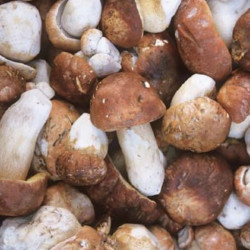
Boletus edulis, also known as "edible boletus" or "earth onion," stands out as a highly esteemed wild mushroom in gastronomy. Its fleshy cap displays shades ranging from light to dark brown, offering a distinctively smooth and earthy flavor. This versatile fungus is used in a variety of dishes, from risottos and stews to grilled preparations. Boletus edulis is renowned for its unique taste and becomes a true delight in the kitchen, especially when found in its natural environment.
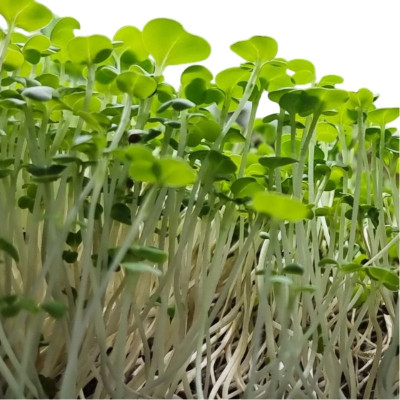
Mizuna sprouts are tender young seedlings of the mizuna plant, known for their peppery flavor and serrated leaves. These sprouts are popular in cooking due to their freshness and distinctive taste that adds a unique touch to salads and Asian dishes.
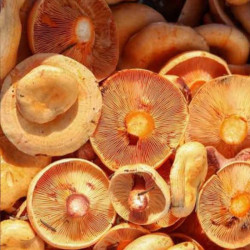
Chanterelles extra: Discover the Culinary Allure of This Versatile Mushroom
Chanterelles extra are edible mushrooms that thrive in forests, primarily in Europe. Distinguished by their orange or reddish-brown, velvety-textured caps, chanterelles bring a unique flavor to dishes.
Chanterelles stand out for their mild and slightly sweet taste, adding an earthy touch to stews, scrambles, and rice dishes.
Discover the freshness and unique flavor of red shiso sprouts! Perfect for enhancing your dishes with their delicate aroma and distinctive taste.
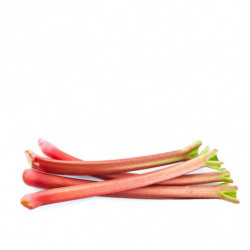
Rhubarb is a perennial plant with long, thick stems ranging from red to green, depending on the variety. The stems are edible, while the leaves are poisonous and should not be consumed. It has a tart and tangy flavor, similar to that of sour fruit.
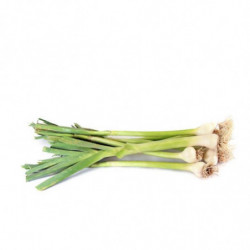
Dutch chive is a variety of fresh onion, commonly used in Asian recipes. It is characterized by having a long, green stem and a white, tender root. Its flavor is milder and sweeter than that of other onions, and it can be consumed both raw and cooked. Dutch chive is rich in vitamin A, niacin, vitamin B1, B2, B3, B6, B9, C, E, and other nutrients.
Mini roses, as their name suggests, are small edible rose flowers. They are appreciated in gastronomy for their beauty and subtle floral flavor. They are mainly used in the decoration of gourmet dishes, salads, desserts, and beverages, adding a touch of elegance and a delicate aroma to culinary preparations. Mini roses are a popular choice for adding visually appealing and comfortable touch to dishes.
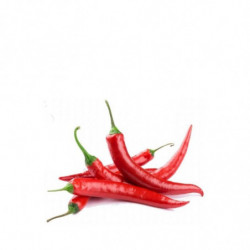
Red Thai chili is a spicy and aromatic fruit used to flavor and add color to many Asian dishes. It has an elongated and narrow shape, with a smooth surface, and its color is intense red. Its spiciness is very high, so it should be used with moderation and care. Its flavor is citrusy and smoky, with floral and herbal notes. It can be used fresh, dried, or pickled, and pairs well with rice, noodles, fish, meats, and vegetables.
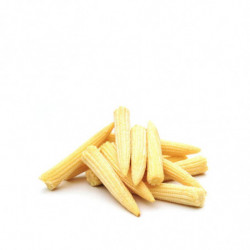
Description of Baby Corn
Baby corn is miniature sweet corn cobs harvested before the plant has been pollinated, ensuring that the fruit is very tender and not overly sweet. It is a highly popular ingredient in Asian cuisine, particularly in Thailand, where it is used in curries and other dishes. It has a corn flavor and a crunchy texture. The whole cob is eaten, and it can be consumed raw, boiled, fried, or sautéed.
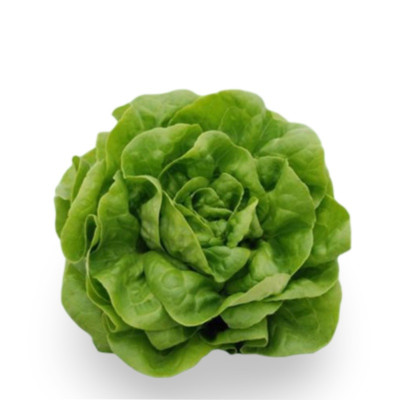
Sold with its roots to preserve freshness longer. Crisp, natural, and perfect for healthy everyday salads.
Explore the burst of flavor and health benefits of beet sprouts. With their intense color and rich taste, these sprouts are perfect for adding a vibrant touch to your salads, sandwiches, and favorite dishes. Try beet sprouts today and enjoy a unique culinary experience!
Atsina Cress is an extraordinary edible microgreen that has become a favorite among chefs and home cooks alike. Known for its distinct sweet, aniseed-like flavor, this versatile plant adds a unique touch to a wide variety of dishes, from savory to sweet. In this article, we’ll dive into everything you need to know about Atsina Cress, from its origins and taste profile to its culinary uses and health benefits.
Piparra is a type of Basque pepper, known for its mild and slightly spicy flavor. It has a thin and elongated shape, similar to a chili pepper, and is usually green in color. Piparras are commonly used in Basque cuisine, especially as appetizers in pintxos and tapas. They are popular for their crunchy texture and distinctive flavor, which combines acidic and spicy notes, adding a touch of freshness to dishes.
Fresh sorrel with a bold, tangy flavor, perfect for soups, sauces, omelets and traditional recipes. A classic green full of character.
The pansy flower is an edible blossom characterized by its face-like shape and vibrant colors ranging from yellow to violet. It boasts a delicate, slightly sweet flavor reminiscent of mint or licorice. This flower is versatile and can be enjoyed both raw and cooked, adding a delightful touch to salads, soups, creams, desserts, or beverages. In addition to its visual appeal, the pansy flower is rich in vitamins, minerals, and antioxidants, with purifying, anti-rheumatic, and expectorant properties. Its use in dish decoration brings joy and whimsy, providing a burst of color and flavor.
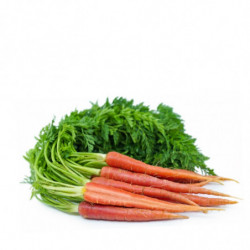
Looking for a small but flavorful option? Don't hesitate to buy baby carrots. These tiny carrots are a delight for both the eyes and the palate. Their compact size makes them perfect for adding to salads, stir-fries, or even as a healthy snack. Baby carrots are juicy, sweet, and packed with nutrients. They are an excellent source of vitamin A, antioxidants, and fiber. Additionally, their convenient size makes them easy to peel and prepare in minutes. Add a touch of color and flavor to your dishes with these adorable carrots. Don't resist! Buy baby carrots and enjoy their freshness and versatility in your daily recipes!