Español
 Português PT


Naturally Delicious Discover the exquisite freshness and natural flavor of our peeled raw chestnuts. Add a touch of authenticity to your favorite recipes with these delicious chestnuts. Taste the quality and freshness that only we offer!
 Security policy
Website built using newest versions, SSL protocols, Secure payments
 Delivery policy
Receive your order in 24-48h
 Return policy
100% Satisfaction guarantee

Guarantee safe & secure checkout
Chestnuts with skin are a natural and versatile food that has been appreciated for centuries in various cultures. Their characteristic flavor and nutritional richness make them an ideal choice for enjoying in multiple preparations. In this description, we will explore their origin, gastronomic and culinary characteristics, historical background, and nutritional value.
Chestnuts come from the chestnut tree, which grows in temperate regions of Europe and Asia. These fruits develop inside a spiny shell that protects them until they are fully matured. The chestnut's skin, with its shiny brown color, acts as a natural barrier that preserves its freshness until consumption.
Chestnuts with skin require proper preparation before being eaten. They are typically roasted, boiled, or steamed to soften the skin and make peeling easier. The cooking process not only enhances their texture but also brings out their naturally sweet and creamy flavor.
Chestnuts with skin are a key ingredient in the cuisine of many cultures. They can be enjoyed roasted, which enhances their smoky and sweet flavor, or incorporated into recipes such as stews, soups, desserts, and stuffing. Additionally, they can be ground into flour for making bread, cakes, and other traditional preparations.
The consumption of chestnuts with skin has a long history, being a staple food in many civilizations. For centuries, they have been an essential resource for winter nutrition in Europe, where they have been gathered and enjoyed during festivals and family gatherings. In many cultures, roasted chestnuts are synonymous with autumn celebrations and traditions.
Chestnuts with skin are a natural source of energy and essential nutrients. They are rich in complex carbohydrates, fiber, B-complex vitamins, and minerals such as potassium, phosphorus, and magnesium. Unlike other nuts, they have a low-fat content, making them a healthy option to include in a balanced diet.
Are you looking for a unique taste experience? Discover the exquisite Turkish figs, a delight that will delight your senses with their sweetness and softness. Turkish figs are known for their sweet flavor and juicy texture, a perfect combination to satisfy your most demanding cravings.
Barhi dates are a variety of dates with an amber color, known for their sweet flavor and soft texture. Originating from the Middle East region, Barhi dates are prized for their delicious taste and can be enjoyed fresh or dried.
Looking to buy Barhi dates in Málaga? You've come to the right place! Explore our wide selection of high-quality Barhi dates that will surprise you with their delicious flavor and freshness.
Nutritious Delicacy Discover the exquisite delicacy of Chinese pine nut, a nut full of flavor and nutrients. Its creamy texture and unique flavor make it the perfect complement to your favorite recipes or as a healthy snack at any time of the day. Dare to taste the unmistakable flavor of Chinese pine nut and enjoy its benefits for your health!
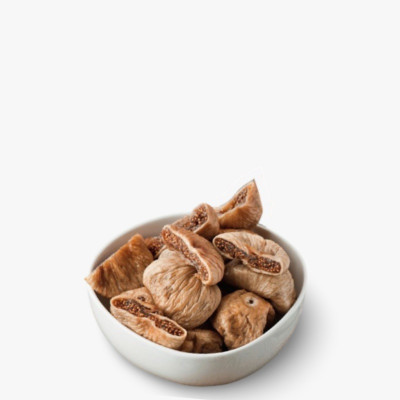
Looking for a sweet and nutritious snack? Discover delicious dried figs, a tasty and versatile option that will satisfy your cravings in a healthy way. Dried figs are known for their concentrated sweetness and juicy texture, perfect for enjoying as a snack or as an ingredient in various recipes.
Are you looking for an exquisitely sweet and energizing snack? Discover dates without bones, a natural delight that will delight your palate and energize your day. Dates are known for their irresistible sweetness and their soft, juicy texture. They are a perfect choice to satisfy your cravings in a healthy and delicious way.
Naturally Delicious Discover the exquisite freshness and natural flavor of our peeled raw chestnuts. Add a touch of authenticity to your favorite recipes with these delicious chestnuts. Taste the quality and freshness that only we offer!
A snack that captivates the senses and satisfies the most demanding cravings. With their crunchy texture and delicious nutty aroma, roasted cashews are the perfect choice to fulfill your desire for something tasty and healthy. Discover the pleasure of every bite and add a touch of satisfaction to your day!
Discover the deliciousness and health benefits of our peeled walnuts. Perfect for snacking or adding a crunchy touch to your favorite dishes. Dare to enjoy their delightful flavor and their benefits for your well-being!
Sultana raisins are sweet little gems that you can't resist. With their golden color and soft, juicy texture, sultana raisins are the perfect snack to satisfy your cravings in a healthy way. These dried grapes are known for their naturally sweet flavor and versatility in the kitchen. You can enjoy them on their own as a snack, add them to your cereals, yogurts, or incorporate them into your baking recipes. Additionally, sultana raisins are a good source of energy, fiber, and antioxidants. Add sultana raisins to your shopping list and discover the sweetness and pleasure these little nutritious delights offer. They will captivate you with their irresistible charm!
Discover the delicious combination of crunchy texture and irresistible flavor in our peeled fried peanuts. Add a burst of flavor to your favorite snacks and dishes with these peanuts, perfect for sharing on any occasion.
You Need Discover the convenience and freshness of our mesh walnuts. Perfect for enjoying anytime, these walnuts are a delicious and nutritious snack that will keep you satisfied and energized. Get yours now and enjoy a healthy snack anytime, anywhere!
Discover the exquisite quality and healthy benefits of our raw macadamia nuts. Perfect for satisfying your cravings and enhancing your well-being, these nuts are a must-have in your pantry. Get them now and enjoy their unique flavor and texture!
Medjool dates are large, sweet, and caramel-flavored fruits with a soft, chewy texture. They are often referred to as the "king of dates" due to their size and rich taste. These dates are commonly eaten as a snack, used in baking, or added to salads and desserts for a natural sweetness.
Looking to buy Medjool dates at the best price? Look no further! Our premium selection of Medjool dates is just what you need to satisfy your cravings.
Are you looking for a delicious and nutritious snack? Discover peeled roasted hazelnuts, small treasures full of flavor and health benefits. Hazelnuts are known for their delicious taste and versatility in the kitchen. They are perfect for satisfying your cravings in a healthy and delicious way.
Indulge in a crunchy delight with our fried almonds, an irresistible snack that will conquer you from the first bite. These almonds, carefully selected and roasted to perfection, offer an explosion of flavor and texture that will captivate you. Their intense and slightly salty flavor, combined with their crunchy texture, will transport you to a paradise of sensations.
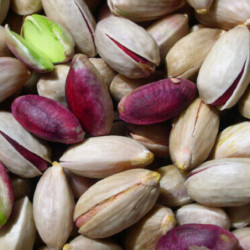
Pistachios are a dried fruit originating from Central Asia, highly valued for their taste and nutritional benefits. Here is a detailed description of this product: